
Ready, Set, Safe!
Every School Assessed
For parents, caregivers, and school faculty alike, the Ready, Set, Safe! Every School Assessed Toolkit is an online and printable resource to guide you in advocating for comprehensive school safety assessments and building a #SafetyMindset! Together, we can make spaces where kids learn and play even safer.
Who is Ready, Set, Safe!?
Ready, Set, Safe! is a nonprofit dedicated to ensuring children are safe everywhere they learn and play.
After their 7-year-old son, Alex, was killed by a falling school gate, Dayna and Eric Quanbeck dedicated themselves to preventing similar tragedies. Their advocacy has already led to improvements in gate safety standards nationwide, and that work continues.
Today, we are building on these efforts by helping schools and communities identify and address hidden hazards through education, advocacy, and resources. We believe regular, comprehensive school safety assessments are one of the best ways to identify hidden hazards and prevent injuries.
Every School Assessed Toolkit





School Safety Assessment FAQ
Every child should be safe at school—but how schools assess and manage safety isn’t always clear or consistent. This FAQ explains what comprehensive safety assessments are, why they matter, and what gaps exist today.
-
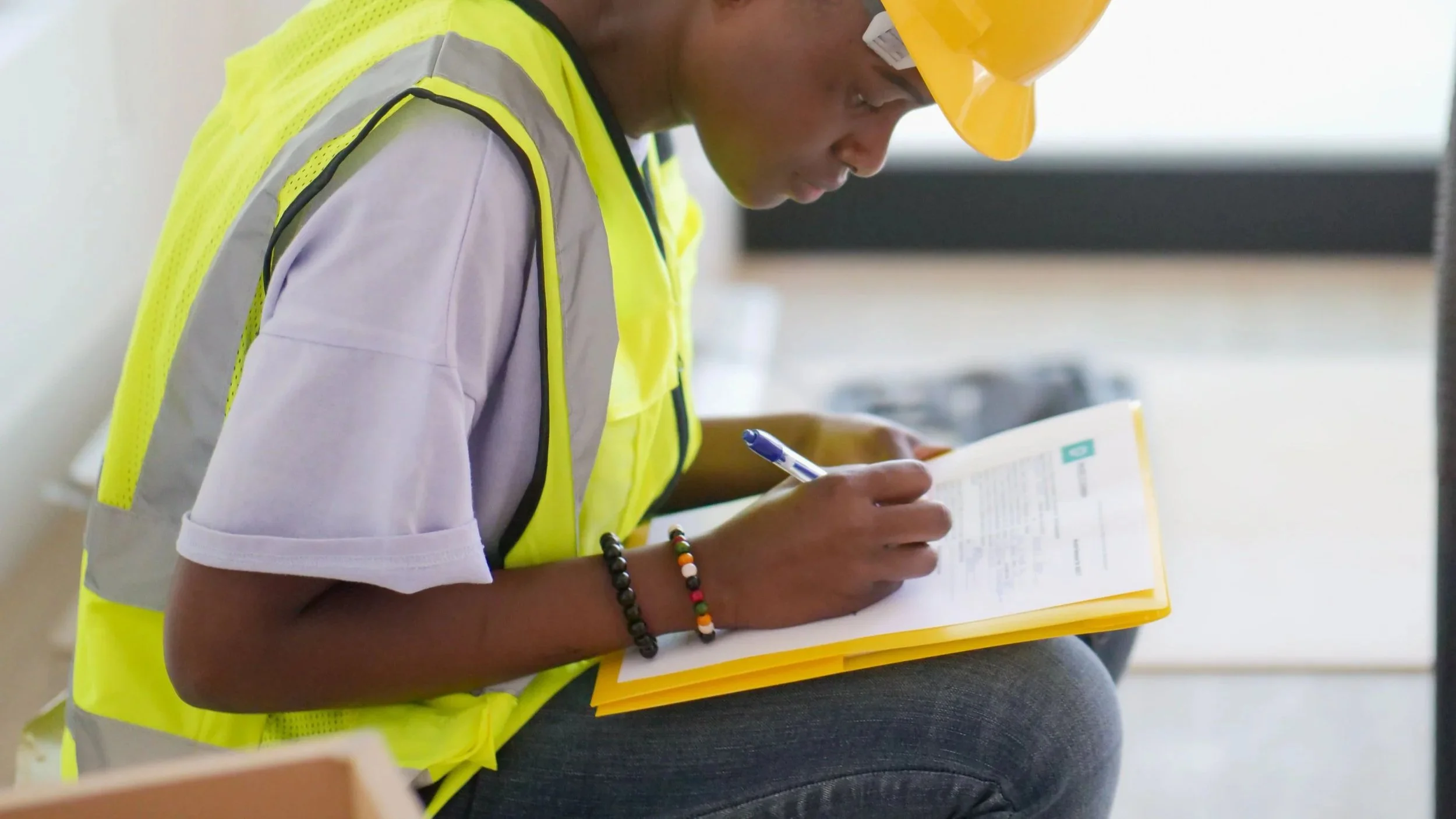
A school safety assessment is a review conducted by a qualified third-party or outside expert to evaluate how well a school protects students and staff. When it is comprehensive, it typically includes:
Security, emergency preparedness, and response
Condition and maintenance of buildings, grounds, and equipment
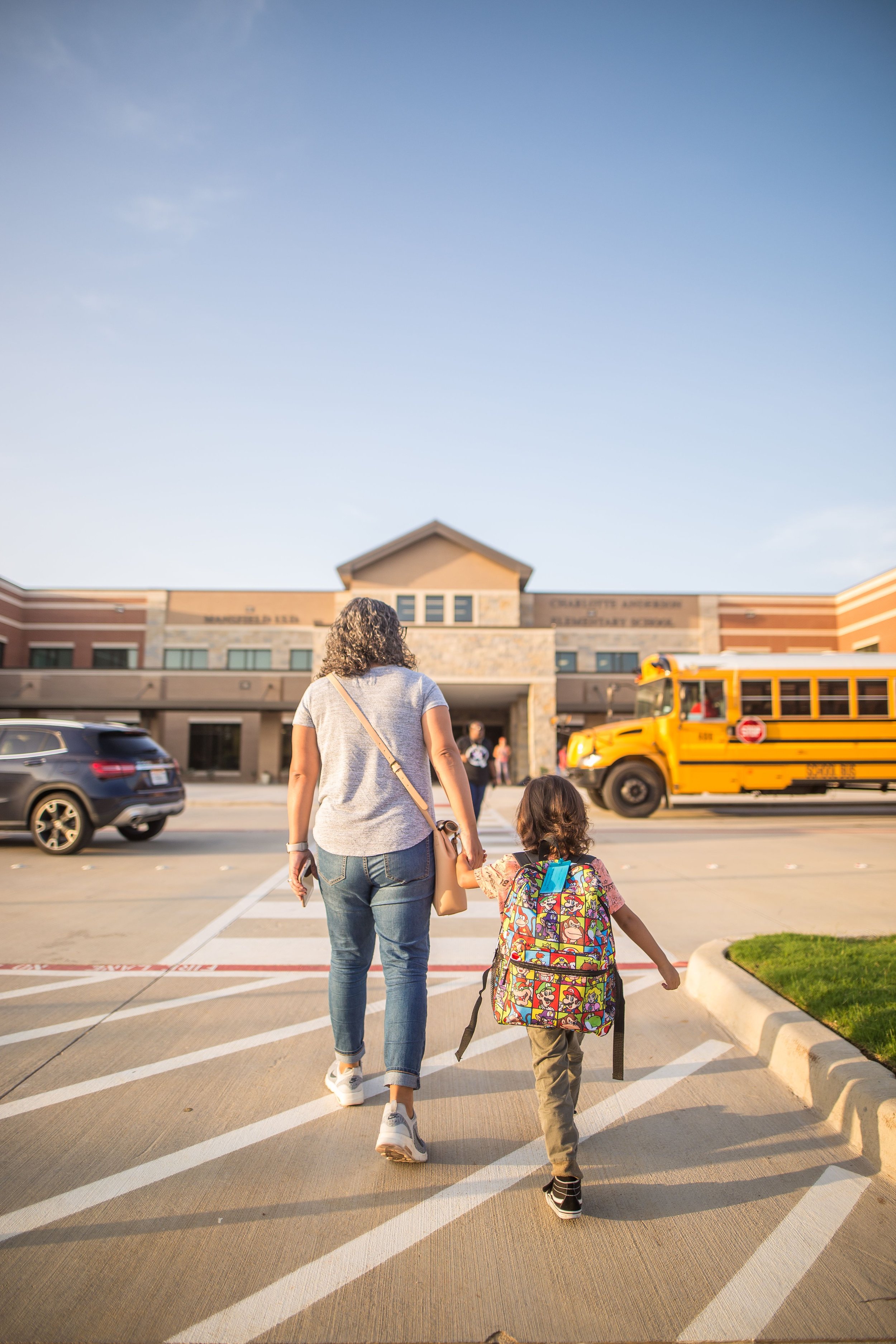
Traffic flow (drop-off, pick-up, walking routes)
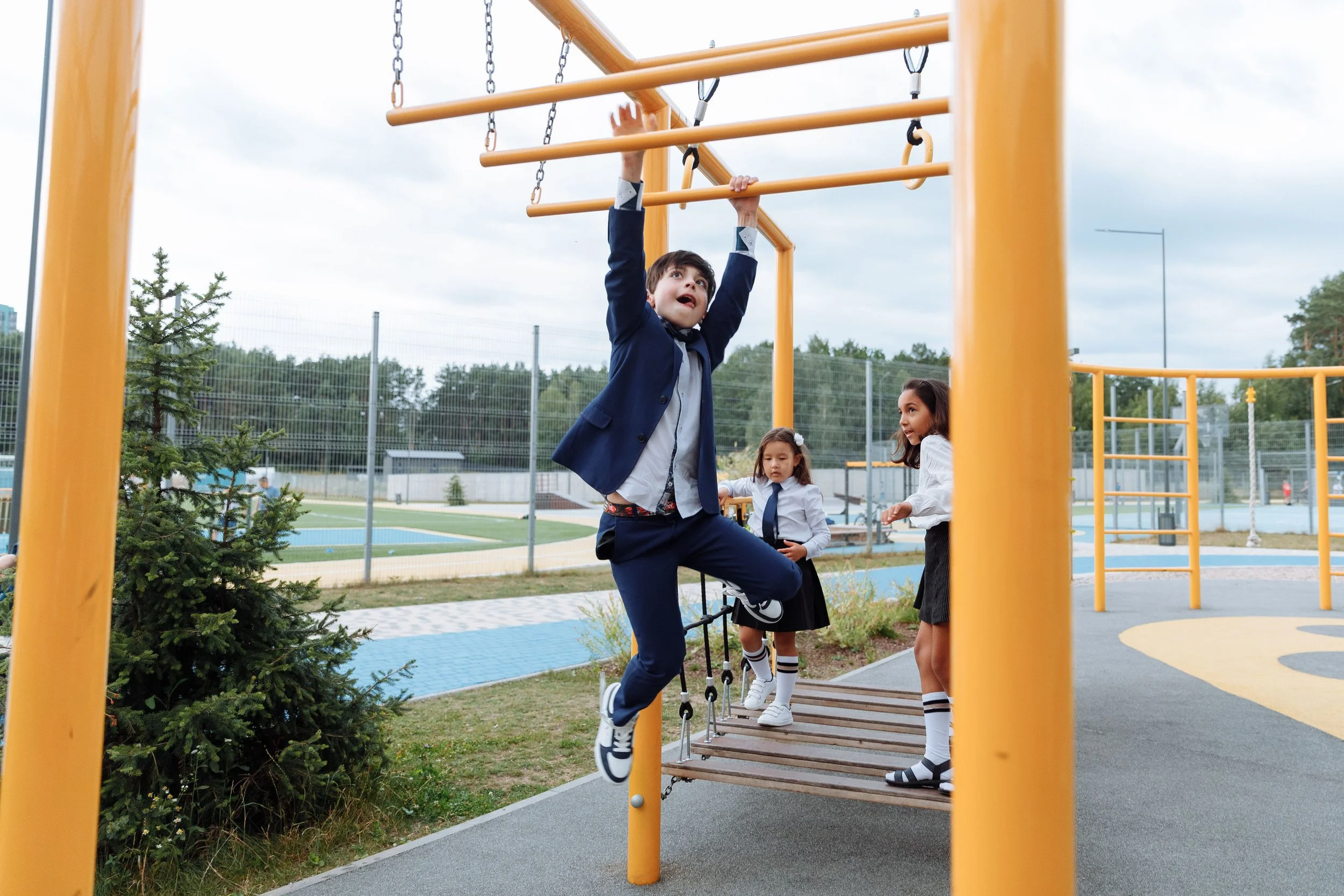
Playgrounds and recreational areas
Building systems (such as gates, bleachers, doors, and HVAC)
Aspects of student well-being
Assessors meet with school leadership, facilities staff, faculty, parents, students, and board members to understand both policies and day-to-day conditions.
-
No single checklist can identify every risk. Hazards often span systems, conditions, or areas of responsibility. Integrated assessments provide a more complete picture and help reduce gaps. They are most effective when they are regular, comprehensive, and action-oriented.
Ready, Set, Safe! recommends that these assessments:
Cover all major safety areas
Take place every 3-5 years or after a significant change or incident
Include regular checks in between
-
While children are required to attend school, there is no uniform system ensuring that facilities are regularly and comprehensively evaluated for safety. School safety assessments vary in consistency and what they include.
There is no national requirement for school safety assessments, state and local requirements vary widely, and there is no central system tracking injuries and fatalities at schools, like OSHA does for workplaces.
-
Most schools are safe. This is not about assuming otherwise—it is about making safety practices consistent and proactive. But incidents happen at every type of school, every grade, and across communities.
Ready, Set, Safe! was founded after the death of first-grade student Alex Quanbeck, who was killed when a large gate fell on him at school due to a failed safety mechanism. His death underscores how critical consistent, thorough safety practices can be.
Because there is no central reporting system, it is difficult to measure the full scope. However:
The American Academy of Pediatrics estimates that 10%–25% of childhood injuries occur at school.
Investigations and news reports continue to document incidents involving equipment failures
Experts consistently point to maintenance gaps and inconsistent inspections as preventable causes
The average age of main instructional buildings in America’s public school system is 49 years old. Fifty years is considered their design life, at which point essential facility systems need comprehensive upgrades or replacements.
The lack of complete data does not mean the problem is rare—it means it is harder to track.
-
When assessments are not comprehensive, they focus on one area and as a result may miss the areas "inbetween." For instance:
Playground assessments omit security
Security assessments omit playgrounds and facilities
Facilities assessments can miss both security and the detailed/analytical look required of playgrounds.
-
The most commonly under-evaluated areas include:
The gap between campus as imagined versus as lived. For instance, people do use the doors that perhaps they shouldn’t or prop doors open that should be closed.
The bleachers, fences, and other items built or installed in response to specific concerns. This is particularly relevant if upgrades are done to older or pre-existing infrastructure.
Gates infrastructure, including fail-stops to prevent pieces falling or not stopping automatically.
Playground equipment.
-
We are advocating for schools to:
Conduct regular, comprehensive safety assessments
Take an integrated (not siloed) approach
Clearly track and address identified risks
-
Ready, Set, Safe! is a nonprofit dedicated to preventing injuries from facility-related hazards where children learn and play. We work to raise awareness, improve standards, and advocate for consistent, comprehensive safety practices.
The organization was founded after the death of first-grade student Alex Quanbeck, whose life was lost due to a preventable gate failure at school.
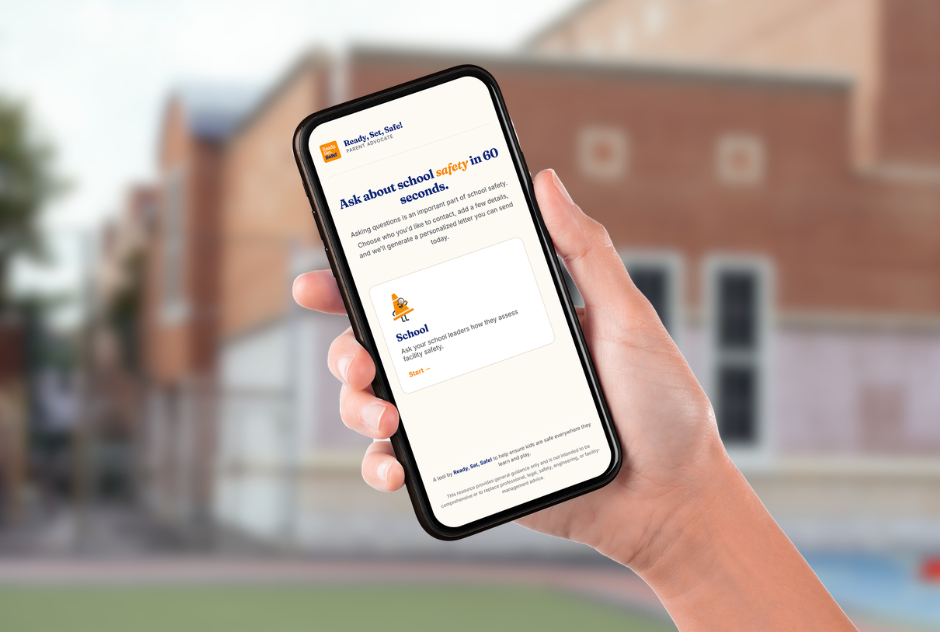
Get the conversation going about school safety in 60 seconds.
With Ready, Set, Safe!’s Email Tool, choose who you'd like to contact, add a few details, and we'll generate a personalized letter you can send today.